


Raid Rush: Tower Defense TD
4.04.57K Reviews
App Specs
- Version
- 1.497
- Updated On
- License
- Free
- Downloads
- 5,000,000+
- Developer
- Panteon
- Categories
- Strategy
- Platform
- Android, iOS
Screenshots

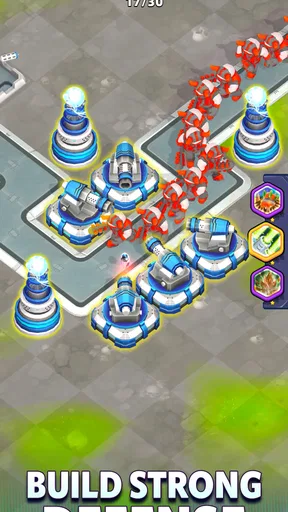
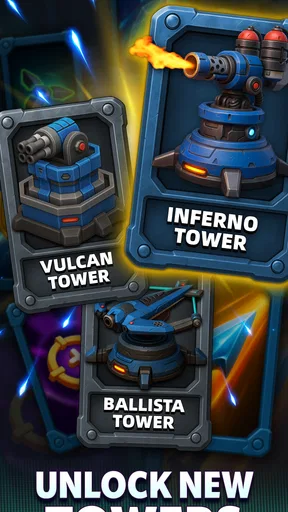
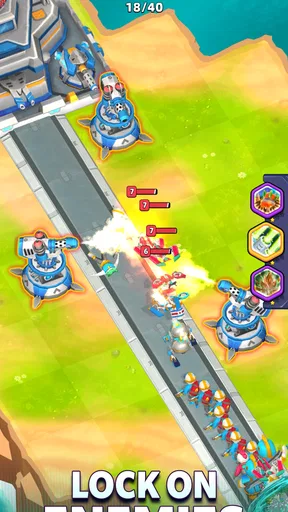
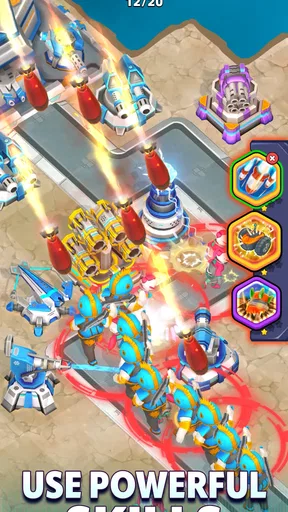
 Analysis by AppCompare
I usually judge a tower-defense game by how quickly it gives me a reason to think, not just tap. Raid Rush: Tower Defense TD gets going with the familiar goal of stopping enemy waves, but the appeal is in adjusting a defense as the pressure changes. It is a strategy game from Panteon, and I find it easiest to enjoy when I treat each battle as a small planning problem rather than a race to build everything at once.
Early goals give each battle a purpose
At the beginning, the basic aim is clear: learn how defenses work, watch the enemy approach, and make choices about where your protection will matter most. That clarity helps newcomers settle in without needing to study a complicated rulebook. I would recommend taking the first stages as practice in observing the route and the timing of a wave, rather than trying to spend or upgrade as quickly as possible.
The useful habit is to pause mentally between decisions, even when the action feels brisk. Ask which part of the route is most exposed and whether a tower placed there will help for more than one moment. A defense that covers a useful stretch can be more valuable than a hurried placement aimed at the nearest threat. That kind of thinking gives the early levels a purpose beyond simply clearing them.
Progress feels best when it teaches a choice
As the game advances, it asks for more than repeating the same setup. New challenges encourage me to reconsider how I arrange and improve defenses, and that is where progression becomes satisfying: I can feel a lesson from an earlier encounter informing the next attempt. The game’s gradual introduction of elements makes that learning curve approachable, though players who want a deep strategy tutorial before the first battle may find the early guidance light.
One practical tip is to notice what caused trouble after a close loss. Was the weak point a stretch with too little coverage, a late upgrade, or a choice that did not suit the incoming pressure? Changing one part of the plan on a replay makes it easier to tell what helped. If I alter several decisions at once, a win may feel good but teach me less about why the defense worked.
Difficulty rises through adaptation, not autopilot
The challenge grows as the stages demand more deliberate planning. Early success can make it tempting to rely on one familiar arrangement, but that is not always enough when a level presents a different problem. I like that this nudges me to adjust rather than simply repeat a memorized routine. The trade-off is that a failed run can feel frustrating if I have not spotted which decision mattered most; patience and small experiments suit this game better than brute-force retries.
Boss encounters add a sharper test of timing and preparation. I would approach them by checking whether the ordinary defense is still serving the main route, instead of spending every resource in reaction to the biggest enemy on screen. A boss can draw attention away from smaller threats, so keeping the whole field in mind is part of the challenge. For players who enjoy a clear, high-pressure test of a plan, these moments can be a highlight.
Worth Reading Before You Choose

Flipboard Shows What News Apps Must Do Beyond the Feed

Switching to Android Auto Means Rethinking Your Driving Routine

Google Calendar Makes a Crowded Week Easier to Manage

Ludo King Makes the Most of the Minutes Between Plans

Baby Panda World Brings Quick Play to Modern Phones, but Its Game Library Feels Busy

ESPN’s Live Game View Makes Following Close Games Easier
What the pacing asks of your time
This is a good fit for someone who wants a strategy game that can be approached in focused bursts. A realistic everyday session might be a few stages while waiting for a ride or winding down after work: I can concentrate on the current defense, finish a battle, and put the phone away without needing to organize a long session around it. Still, the “one more level” feeling can stretch a short break, so I would avoid opening it when I have only a minute to spare.
Compared with more sprawling strategy games, the tower-defense format keeps the central question immediate: where should protection go, and when should I improve it? That makes it less demanding to pick up than a game built around managing many systems at once. On the other hand, players who want open-ended base building, long-term diplomatic choices, or a slow campaign of broad resource management may prefer a different kind of strategy title. The appeal here is tactical focus, not a substitute for every strategy subgenre.
The Thrill of Building and Defending
First off, Raid Rush: Tower Defense TD is one of those games that hooks you right from the start. You dive into a world where strategic thinking is your best weapon. Your mission? Defend your territory from relentless waves of enemies. Sounds simple? Trust me, it’s like a chess game with explosions!
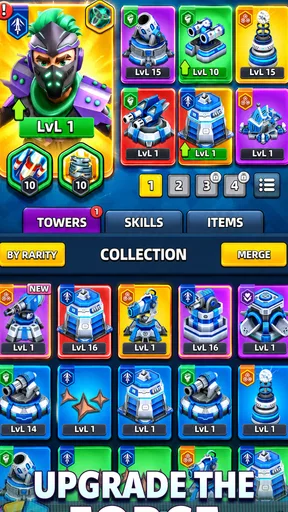
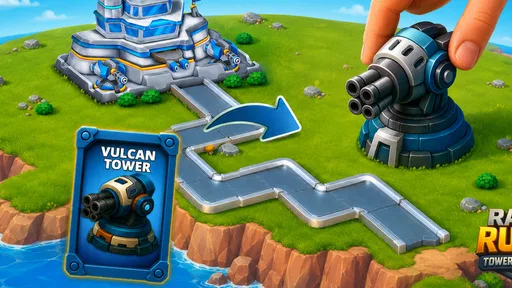
The game does a fantastic job of gradually ramping up the difficulty. At first, it’s all about setting up basic defense towers and getting the hang of things. But as you progress, you’ll need to think on your feet, upgrading your towers and planning your defense line like a pro. The variety of towers is impressive, each with unique abilities and strengths. It’s not just about putting them anywhere; it’s about placing them strategically for maximum impact.
Graphics and Gameplay
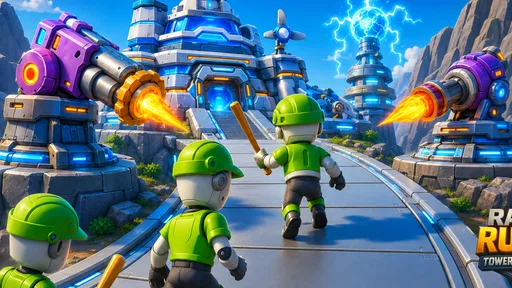
Let’s talk about the visuals. The graphics in this game are a feast for the eyes. They’re vibrant, detailed, and bring the battlefield to life. Whether it’s the enemy designs or the tower animations, everything feels polished and engaging. It’s clear that a lot of thought went into creating a visually appealing experience.
The gameplay itself is smooth as butter. The controls are intuitive, making it easy for both newbies and seasoned players to jump right in. I particularly enjoyed the quick learning curve, which doesn’t overwhelm you with complex mechanics. Instead, it gradually introduces new elements, keeping things fresh and exciting.
Strategic Depth
What really sets Raid Rush: Tower Defense TD apart is its strategic depth. You’re not just defending against mindless waves of enemies; each level presents a unique challenge. You have to adapt your strategy, decide when to upgrade, and choose the right type of towers for the job. It’s like piecing together a puzzle where each piece is crucial.
And let’s not forget the boss battles. These are some of the most intense moments in the game. You’ll need to pull out all the stops, utilizing every trick up your sleeve to come out victorious. It’s all about timing, precision, and a little bit of luck.
Community and Updates
One thing I absolutely love about this game is the active community. There’s a bustling forum where players exchange tips, strategies, and even memes about their favorite towers. The developers seem to listen to their players, regularly rolling out updates that introduce new content and improvements. It’s clear that they’re committed to keeping the game fresh and exciting.
The social aspect is also a nice touch. You can team up with friends for cooperative missions or challenge them in PvP battles. It adds a competitive edge that keeps you coming back for more.
Spending, access, and who should play
The game is free to download, so trying it does not require an upfront purchase. It does include optional in-app purchases, with items ranging from $0.49 to $99.99. I would decide in advance whether I want to spend anything, especially if I tend to make quick purchases when a level gets difficult. The strategy is more rewarding when I first try to understand a setback and adjust my setup; paying should not be my automatic response to a frustrating run.
For parents choosing a game, its age rating is Everyone. That makes it broadly accessible, though I would still explain that optional purchases are available if a child uses a device with payment access. It is also worth checking the device’s purchase controls as a general precaution. The game is rated 4.2 on average from around 189,000 ratings, a broad sign that many players have tried it, but ratings cannot tell you whether its particular pace and tactical style will suit you.
I think it is best for people who enjoy making quick, visible decisions and improving through retries. It is less suitable if you dislike wave-based combat, prefer a story-heavy adventure, or get annoyed when a game asks you to revisit a level with a better plan. The current version is 1.467, and it runs on Android 7.0 or later. It has passed 5 million installs, which makes it an established option in mobile tower defense, but that scale does not change the main question: do you enjoy planning placements under pressure?
How to get more from a run
A small but useful approach is to keep a mental note of which defense choices are doing reliable work, then avoid changing them just because a later stage feels harder. Preserve what is effective and adjust the weak spot. This makes each attempt a cleaner experiment, and it prevents a common tower-defense mistake: spending upgrades broadly until no single part of the route feels secure.
I would also avoid judging a tower by one dramatic moment. Its value depends on where it is placed and what the level asks of it. If a setup looks strong but still leaks enemies through, consider whether the issue is coverage or timing before deciding that the whole plan needs replacing. That patient, targeted way of testing choices is more useful here than copying a single arrangement and expecting it to solve every encounter.
Progression verdict: engaging, with a clear limit
For me, the strongest reason to keep playing is the steady invitation to refine a defense. The early goals are easy to grasp, later pressure gives those decisions weight, and boss battles provide memorable checkpoints. The retention comes from wanting to see whether a smarter arrangement will work—not from needing a sprawling management system. That focus is a strength, though it also means anyone seeking a broad campaign full of unrelated activities may eventually want more variety than this format offers.
My honest recommendation is to try it if you like tower defense that rewards attention, placement, and learning from a failed attempt. I would skip it if you want a very relaxed game with no pressure to adapt, or if optional purchases make free-to-play progression uncomfortable for you. Panteon’s game has a clear tactical center and an approachable start; whether it becomes a regular pastime depends on how much you enjoy solving one battlefield problem after another.
Final Thoughts
All in all, if you’re a fan of strategy games, it is a no-brainer. It’s got the perfect blend of strategy, action, and community engagement. Whether you’re a casual gamer or a hardcore strategist, there’s something here for everyone.
So, what are you waiting for? Grab your phone, download the game, and dive into the exciting world of tower defense. Just a heads-up, you might find yourself saying, “Just one more level” way too often!
Pros
- Engaging gameplay with strategic depth.
- Visually stunning graphics and effects.
- Frequent updates with new content.
- Intuitive controls for easy navigation.
- Competitive multiplayer mode adds excitement.
Cons
- In-app purchases can be costly.
- Occasional server connectivity issues.
- Requires a stable internet connection.
- Some levels feel repetitive over time.
- Ads can be intrusive during gameplay.
FAQs for Raid Rush: Tower Defense TD
What is Raid Rush: Tower Defense TD?
Raid Rush: Tower Defense TD is a strategic tower defense game where players build and upgrade towers to fend off waves of enemies. It offers a variety of towers and heroes, each with unique abilities, challenging players to strategize the best defense. Available on both Android and iOS, it's a thrilling test of tactical skills.
How do I progress through levels in Raid Rush: Tower Defense TD?
Progressing in Raid Rush involves strategically placing and upgrading towers to withstand increasingly difficult waves of enemies. Successfully completing a level rewards players with in-game currency and experience points, which can be used to enhance tower abilities and unlock new heroes for a stronger defense.
Are there in-app purchases in Raid Rush: Tower Defense TD?
Yes, Raid Rush: Tower Defense TD offers in-app purchases. Players can buy additional currency, special heroes, and tower upgrades to enhance their gameplay experience. While it's possible to progress without spending money, purchases can speed up progress and unlock exclusive content.
Can I play Raid Rush: Tower Defense TD offline?
Raid Rush: Tower Defense TD requires an internet connection for certain features, such as leaderboards and in-game events. However, the core gameplay, including most levels, can be played offline. This makes it convenient for players who want to enjoy the game without constant connectivity.
What are some tips for beginners in Raid Rush: Tower Defense TD?
Beginners should focus on understanding tower strengths and weaknesses, and strategically place them to cover all enemy paths. Prioritize upgrading a few key towers rather than spreading resources too thin. Experiment with different hero combinations and participate in daily challenges for additional rewards to enhance your gameplay.


